
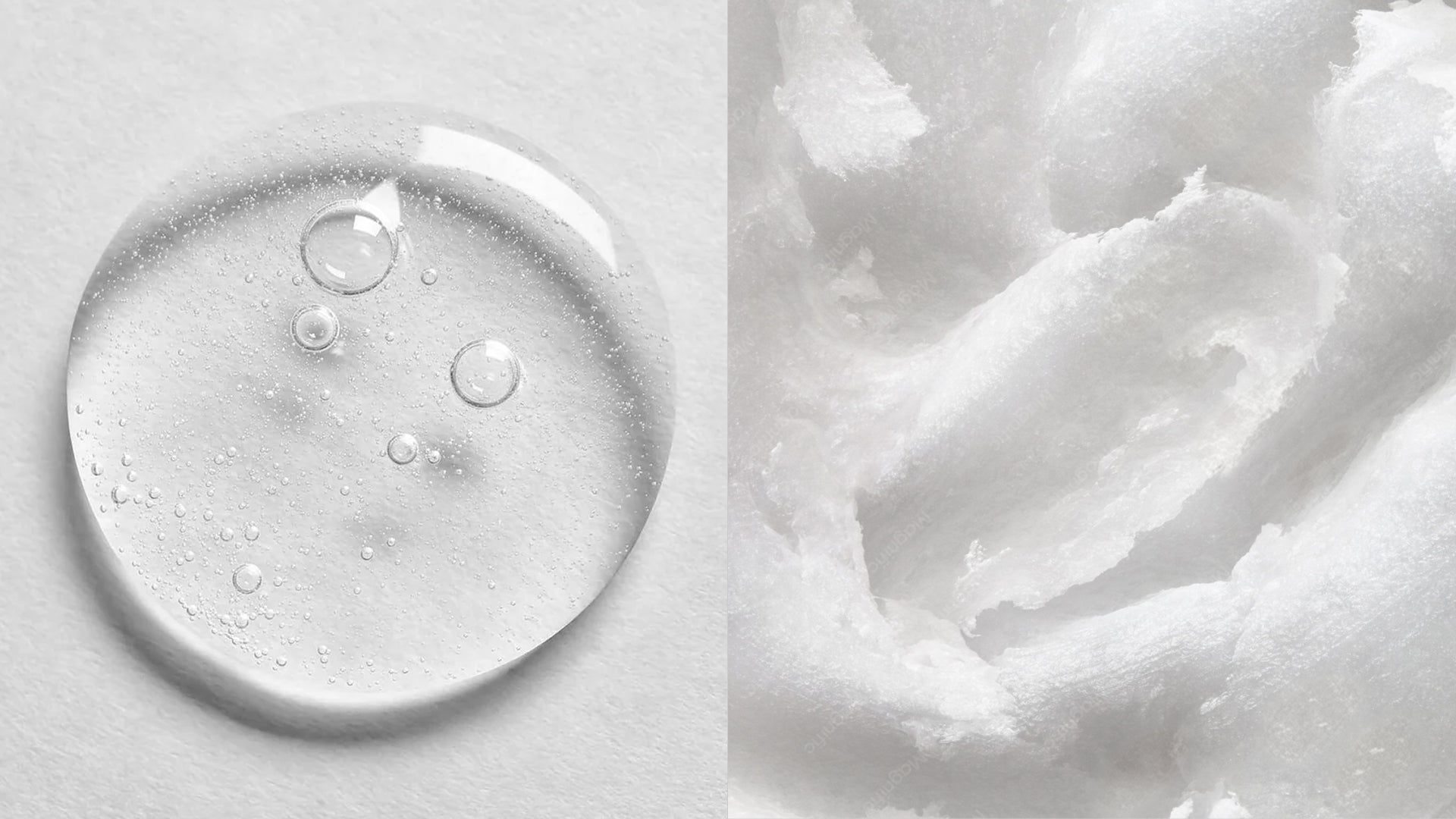
Hyaluronic Acid and Coconut Oil for Dogs: A Vet's Guide
By Dr. Shelby Neely, VMD
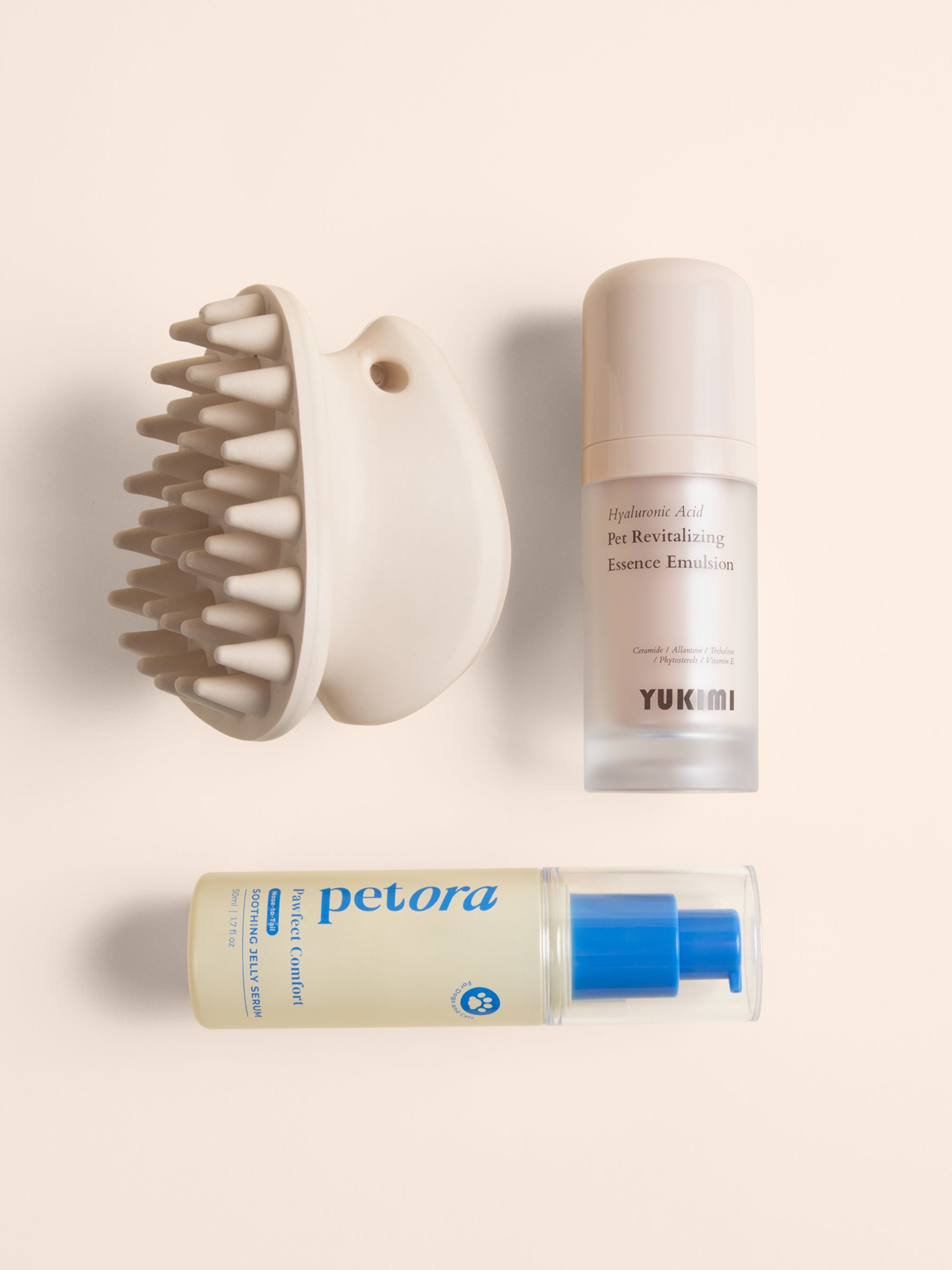
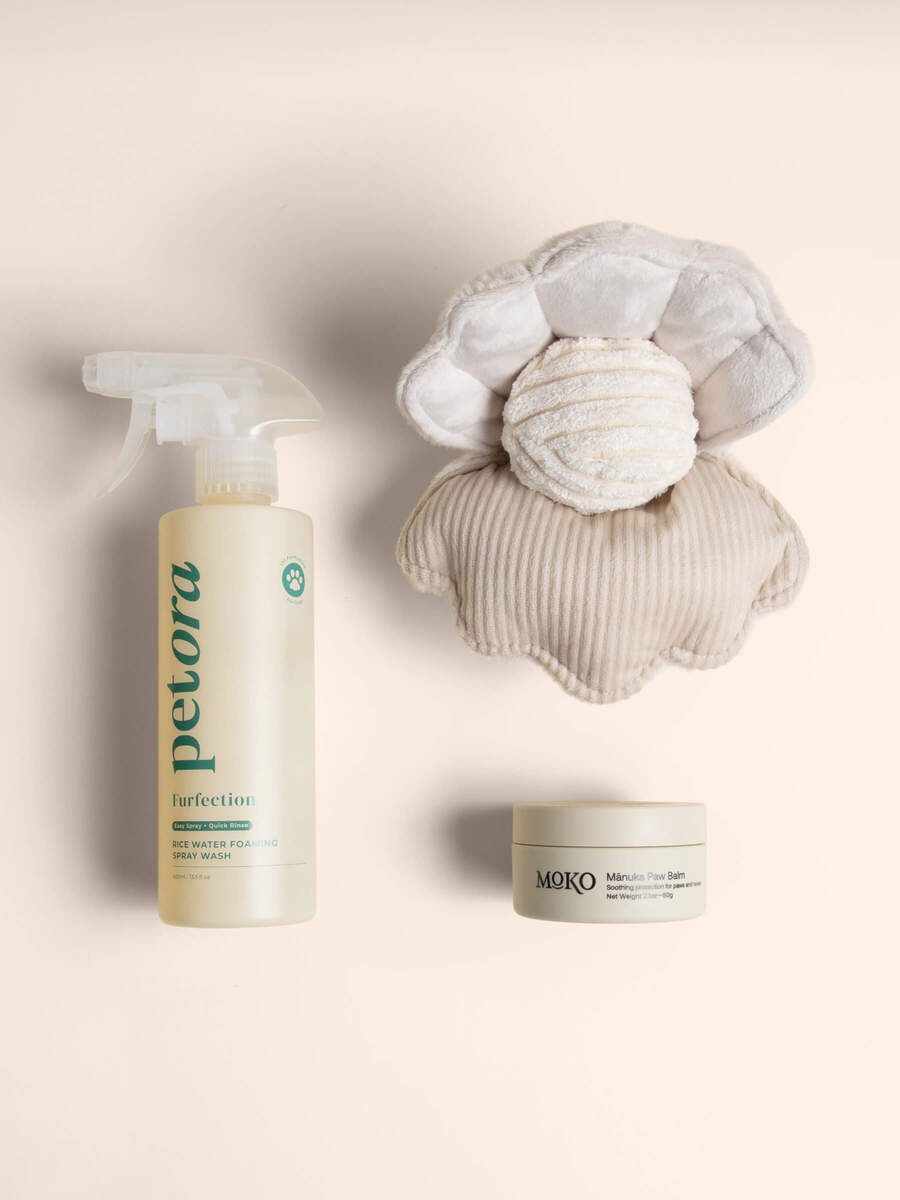
Cleo Society Editor’s Note: At Cleo Society, we believe your dog deserves the same caliber of ingredients you choose for yourself. But while the ingredients may be the same, the science is not. We enlisted Dr. Shelby Neely, VMD, to discuss how ingredients like hyaluronic acid, coconut oil, Manuka honey, and marine extracts work to transform your dog's skin. Dr. Neely has also reviewed and approved each item in our Edits for general safety, ingredient quality, and suitability for routine use in dogs.
The Quick Scoop:
- The Reality: Your dog's skin is fundamentally different from yours, meaning using human skincare can actually cause dryness and irritation.
- The Solution: You can use powerhouse ingredients like Hyaluronic Acid and Coconut Oil to hydrate your dog's skin, provided they are explicitly formulated for a dog’s pH.
- The Quick Tip: Always check the label! Avoid harsh sulfates and artificial dyes, and opt for pH-balanced formulations to protect your pup's natural skin barrier.
Can You Use Human Skincare Ingredients on Dogs?
In the world of premium dog wellness, we are seeing a welcome shift: pet parents are looking for the same high-quality ingredients for their dogs that they use in their own skincare routines. Ingredients like hyaluronic acid, coconut oil, Manuka honey and marine extracts offer incredible therapeutic benefits. However, to be both safe and effective, these "human-grade" ingredients must be formulated specifically for canine skin.
The primary difference between your skin and your dog’s isn't just the fur; it’s the chemistry. A dog’s skin has a naturally higher pH than a human’s.
- Human Skin: Typically ranges from 4.5 to 5.5 (Acidic)
- Canine Skin: Typically ranges from 6.5 to 7.5 (Neutral)
A product designed specifically for humans can seriously damage a dog's natural skin barrier, even if the ingredients are the same. For example, human hyaluronic acid and coconut oil are likely to have similar pH values. Both ingredients can be used in people and dogs, but the final product formulations will have to have the pH level adjusted specifically for dogs. Using human products on dogs can lead to
- Dryness or irritation
- Disruption of the skin microbiome
- Increased risk of infections
The key takeaway is that it's not the ingredient, it's the formulation that matters. Pet-safe products will support your dog's skin barrier while still delivering the benefits of high-quality, human-grade ingredients.
Is Hyaluronic Acid Safe for Dogs?
Yes, hyaluronic acid is safe for dogs and highly beneficial for skin health. It helps particularly to keep the skin hydrated and moisturized (much like your own serum).
Hyaluronic acid occurs naturally in the body. It is a humectant, meaning it attracts and retains moisture in the skin. Amazingly, a molecule of hyaluronic acid can hold up to 1000 times its weight in water. This makes it an extremely effective hydrating agent.
When formulated for a dog, hyaluronic acid:
- Deeply hydrates dry or flaky skin
- Supports the skin barrier
- Soothes irritation and redness
- Improves skin elasticity and overall coat condition
Another amazing thing about hyaluronic acid is that it hydrates without leaving a greasy or heavy residue. This is particularly useful for people or animals that are prone to clogged follicles or oily buildup. Therefore, hyaluronic acid is a perfect choice for:
- Dogs with seasonal dryness
- Mild allergic skin irritation
- Breeds prone to sensitive skin
Hyaluronic acid is often recommended for people, and it can help dogs as well; just make sure you get the right formulation.
The Natural Healers: Why Coconut Oil and Manuka Honey Belong on Your Dog's Skin
Coconut oil and Manuka honey are natural ingredients that offer moisturizing and protective benefits for dogs.
Coconut oil is beneficial due to its:
- Moisturizing fatty acids
- Mild antibacterial and anti-fungal properties
- Ability to soften dry, cracked skin, such as that found on the paws or elbows
You should use it only in moderation and in well-balanced formulations so your dog doesn't develop a greasy coat or clogged pores.
Manuka honey provides:
- Strong antibacterial activity
- Wound-soothing properties
- Support for minor skin irritations and hot spots
These ingredients help to:
- Lock in moisture
- Help heal minor skin damage
- Create a protective barrier against irritants
As these ingredients are so rich, a little goes a long way. Using a balanced, dog-specific formulation ensures your pup gets all the soothing benefits without any greasy buildup or clogged follicles.
The Benefits of Seaweed and Marine Extracts for Pet Skin
Seaweed and marine-derived ingredients work well in pet skin care products t due to their nutrient density and skin-supportive properties. The ingredients found in these products that make them so desirable include:
- Vitamins (A, C, E)
- Trace minerals (iodine, zinc, magnesium)
- Amino acids and antioxidants
Seaweed extracts can be applied topically and can:
- Reduce inflammation
- Support hydration by helping to retain moisture
- Strengthen the skin barrier
- Help develop a healthier, shinier coat
The dogs that benefit most from marine extracts have:
- Sensitive or reactive skin
- Environmental exposure to dry air and allergens
- Dull or brittle coats
These ingredients are skin conditioners and barrier-support agents that can support your dog's long-term skin health rather than just provide temporary relief.
What Ingredients Should You Avoid in Dog Grooming Products?
You need to be aware of harsh or potentially toxic ingredients found in lower-quality grooming products. Some of the most important ones to stay away from include:
- Artificial fragrances
- Sulfates
- Parabens
- Xylitol, which is highly toxic to dogs
- Alcohol-based ingredients
- Artificial dyes and colors
So, you may be asking, “If these ingredients are not good for a dog, why are they used in some dog skincare products?” Unfortunately, they're used to cut costs, improve shelf life, and make a product look or smell better. But they do not support skin health and can even make it worse over time.
If a company prioritizes a product's color or appearance over skin support, then it's not a product you want for your dog.
Why Premium Ingredients Matter in Dogs' Skin Care
It may sound like a marketing term, but “premium ingredients” can significantly impact a product and support your dog's skin health.
High-quality formulations:
- Use biologically compatible ingredients
- Support the skin barrier
- Don't use unnecessary fillers and irritants
- Deliver consistent, long-term benefits
On the other hand, cheaper products often depend on:
- Harsh detergents
- Synthetic fillers
- Minimal active ingredients
If you use premium ingredients instead, they can help reduce itching and irritation, improve coat quality, and prevent more serious skin issues for your dog. Any veterinarian will tell you that prevention is always preferred over treatment, and your dog would agree.
About the Author
Dr. Shelby Neely, VMD, is a Penn graduate and licensed veterinarian with 30 years of experience in companion animal health. She has treated and written widely on pet care, nutrition, and supportive therapies for cats and dogs. Dr. Neely is passionate about helping pet parents make informed, thoughtful decisions that improve comfort and quality of life.