
How To Soothe Your Dog's Dry, Itchy Skin: A Vet's Guide
By Dr. Shelby Neely, VMD
Cleo Society Editor’s Note: There’s nothing more heartbreaking than watching your pup scratch until they’re sore. The good news? You don’t always need a prescription to find relief. We asked our resident veterinarian, Dr. Shelby Neely, DVM, to teach us more about how to solve dry, flaky skin at home and create a simple routine for better canine skin health. Dr. Neely has also reviewed and approved each item in our Edits for general safety, ingredient quality, and suitability for routine use in dogs.
The Quick Scoop:
- The Reality: Dry skin is usually environmental, not a medical emergency.
- The Solution: You can rebuild your dog's skin barrier at home with a simple 3-step routine.
-
The Quick Tip: Regular grooming and massage stimulate natural, hydrating oils to keep your dog’s skin healthy and moisturized.
Why Does My Dog Have Dry, Flaky Skin?
Dry, itchy skin is a common condition affecting dogs of all sizes, breeds, and ages. It's not just a cosmetic problem, but an uncomfortable medical issue for your dog. Fortunately, there are known causes and natural treatments that can restore your dog's skin and coat to a shiny, healthy condition.
Dry, flaky skin in dogs is most often due to environmental factors, such as low humidity, over-bathing, or mild allergies.
Most of the time, it's the skin reacting to external factors. A dog's skin is no different from your own in that it has natural oils that keep it hydrated and resilient. Without those important oils, the skin can become flaky or itchy, resulting in a dull coat.
Known causes of dry, flaky skin in dogs include:
- Cold weather and low humidity
- Indoor heating systems
- Frequent bathing
- Harsh shampoos
- Mild food-related or environmental allergies
- Poor grooming habits
Most of these factors do not require a visit to the vet, but can instead be managed at home. The key is to restore moisture and support the skin's natural defenses.
Can Grooming And Massage Improve My Dog’s Skin Health?
Yes, the health of your dog's skin can be significantly improved through regular grooming and gentle massage. As the body's largest organ, the skin is a dynamic system that responds to tactile input. Grooming and massage stimulate natural oil production, increase blood flow, and strengthen your bond with your pet.
Circulatory Support
Massage can increase circulation and deliver oxygen and important nutrients to the skin. This provides the necessary "building blocks" for cellular repair and turnover.
Sebum Distribution
The skin's natural oil, called sebum, is distributed across your dog's skin through brushing. Sebum improves hydration and creates a protective barrier that locks in moisture and shields against external irritants.
Bonding Through Touch
Touch is very much a form of social bonding. When you're grooming your dog, doing it calmly and consistently can be a very positive experience that strengthens the bond between you and your canine. This can reduce stress, which also affects skin health and makes your dog more willing to be handled and cared for.
The skin and bonding benefits of grooming and massage include:
- Increased distribution of natural skin oils
- Increased blood flow that supports skin repair
- Removal of dead skin cells and debris
- Less stress and anxiety if you use a calming touch
- Strengthened trust between you and your dog
In general, dogs that receive regular, gentle grooming often have healthier skin and are more relaxed when handled, which makes grooming a pleasurable experience for both of you.
Three Ways To Treat Dry Skin
Brushing, massaging, and protecting your dog's extremities are all important elements of good skin care.
1. Therapeutic Brushing (the “Coat Therapy” Method)
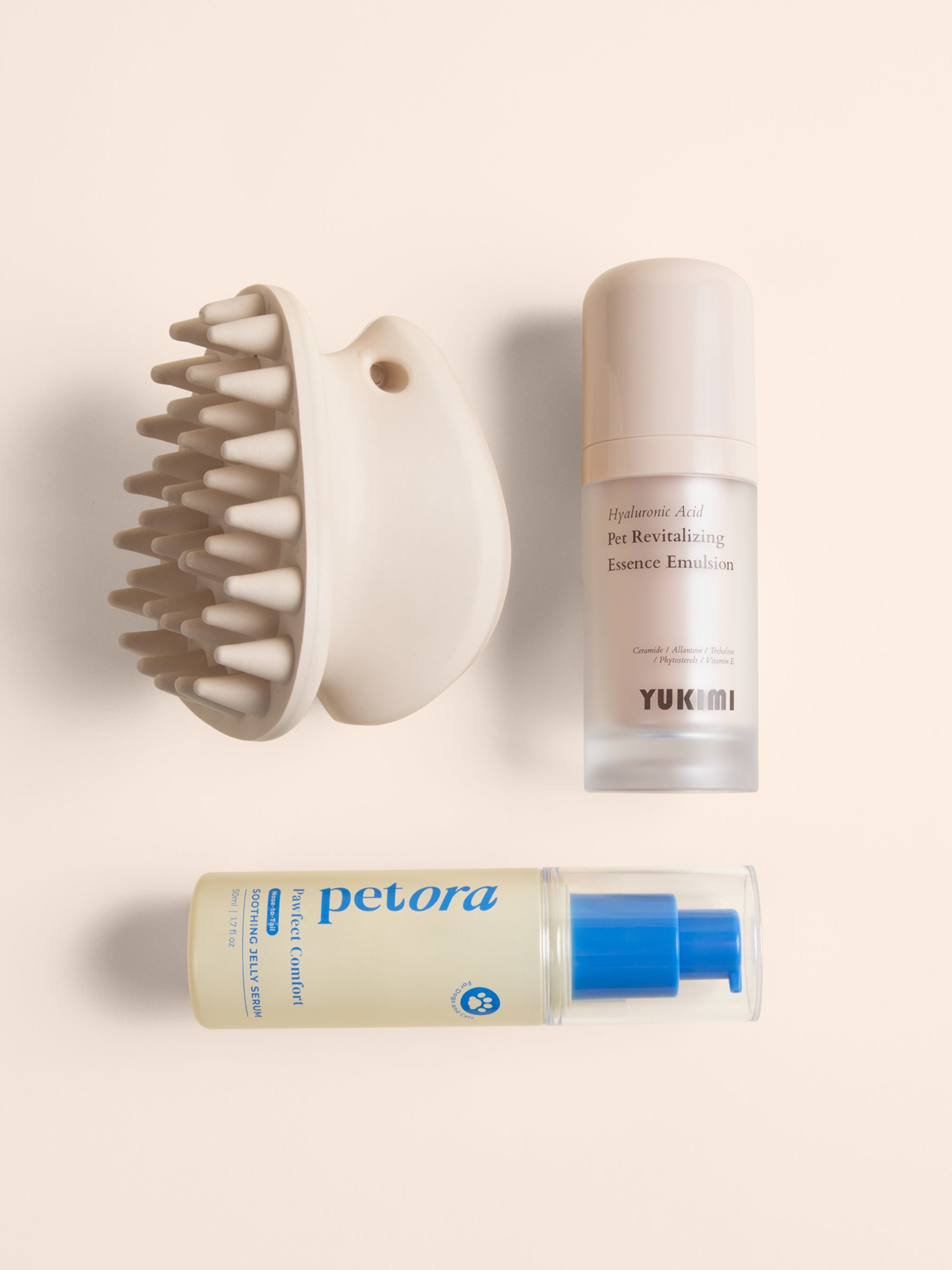
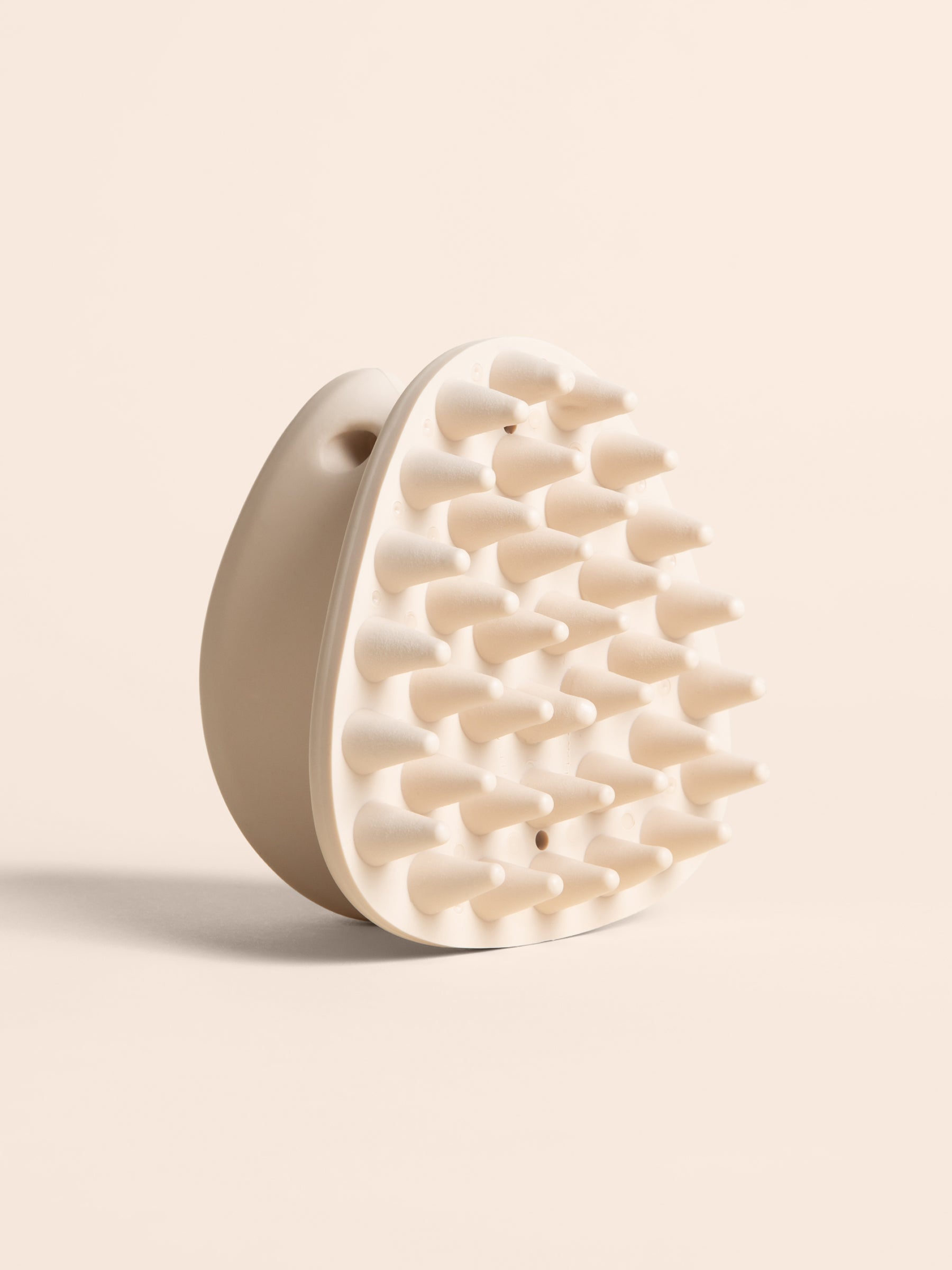
This brushing method using a soft silicone brush addresses the two natural and common requirements of skin without irritating it: (1) to gently remove dead skin cells, which could trap bacteria and create irritation, and (2) to distribute natural oils across the coat from the base of the hair shaft outward, which will lead to better coat hydration and shine.
Using a silicone brush instead of a stiff brush or metal tools is highly recommended because silicone brushes tend to glide over the skin surface. If your dog has dry skin, it may also be sensitive, and silicone can lift flakes and debris without scratching or causing microtrauma.
- Use slow, gentle strokes in the direction of hair growth.
- Limit sessions to a few minutes daily.
- Choose a soft silicone brush designed for sensitive skin.
- Stop if your dog seems to be uncomfortable.
If you offer praise and even a treat or two, many dogs learn to enjoy this routine. It enhances quiet time together.
2. Massaging Topicals (Serums and Emulsions)
First and most importantly, make sure the topical you use is dog-safe and lick-safe. Topical products such as serums or emulsions can attract and retain moisture in the skin. This leads to the restoration of hydration at the skin's surface, where flaking and dryness begin.
Not only is the type of product important, but the way you apply it matters greatly. Use your fingertips to apply a small amount to your dog's skin and massage it in with slow, circular motions. Applying it that way will improve absorption and provide a calming therapeutic experience, stimulating blood flow, supporting skin repair, and improving overall health.
When choosing and applying topicals:
- Select dog-safe, lick-safe, non-toxic formulations.
- Ensure your dog’s skin is clean and dry before application.
- Focus on areas that are particularly prone to dryness, such as the sides, back, and base of the tail.
- Apply pressure, but keep it gentle.
This method serves not only as a treatment but also as a genuine bonding experience.
3. Protecting the Extremities (Paw and Nose Balms)
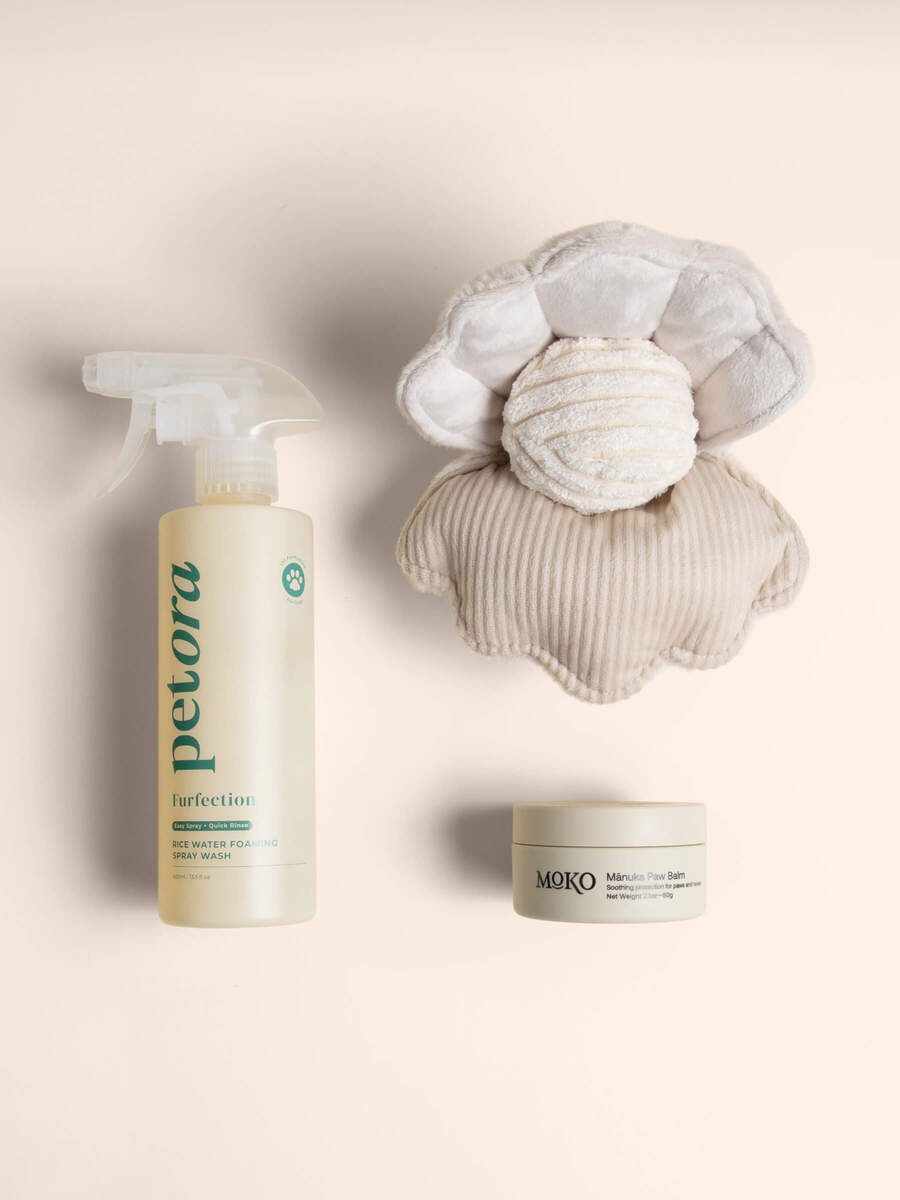
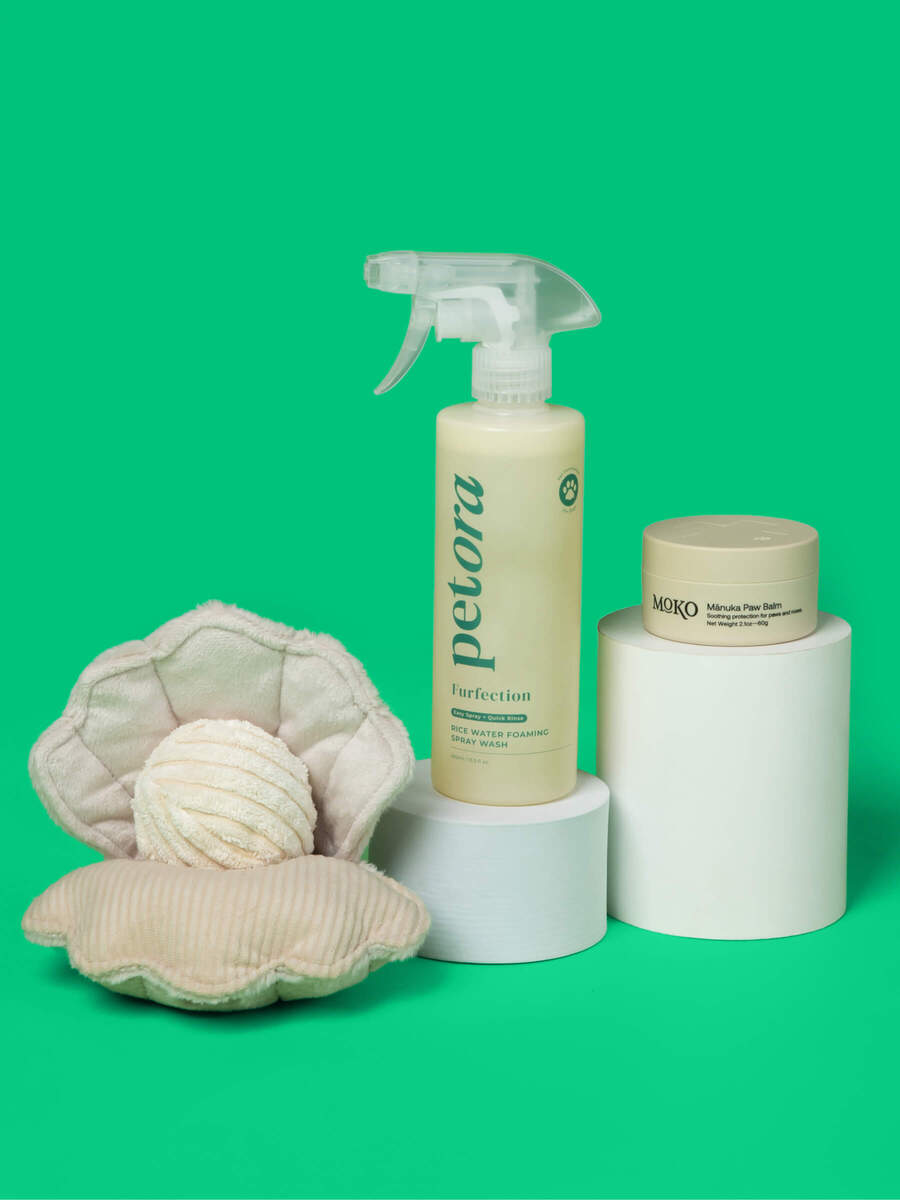
A dog's paw pads are especially susceptible to cracking and dryness because they are frequently exposed to cold surfaces, rough terrain, and dry air. They also have a thicker, specialized skin structure that can more easily become dry and cracked if you don't maintain them. Applying a soothing balm can help prevent that.
A dog-safe balm helps create a protective barrier that locks in moisture and shields the nose and paws from further damage. A good time to apply it is before bedtime, because your dog will be less active throughout the night, giving the product time to be absorbed.
A simple nightly routine can include:
- Wiping paws clean
- Applying balm to each paw pad
- Gently massaging
- Applying a thin layer to the nose if it is dry or cracked
This is another routine that not only improves skin health but also increases your dog’s comfort with being handled.
When Should I See A Veterinarian For My Dog's Itchy Skin?
If your dog's symptoms are not just mild dryness but include hair loss, sores, or chronic discomfort, making a vet appointment is essential. Seeking help early can prevent the skin condition from worsening and help ensure your dog feels comfortable sooner.
Red flags to watch for include:
- Bleeding, open sores, or scabs
- Constant licking, scratching, or chewing
- Hair loss or thinning coat
- Red, inflamed, or infected-looking skin
- A strong odor coming from the skin or coat
These symptoms can be caused by allergies, infections, parasites, or other skin conditions that won't go away without your veterinarian's help.
About the Author
Dr. Shelby Neely, VMD, is a Penn graduate and licensed veterinarian with 30 years of experience in companion animal health. She has treated and written widely on pet care, nutrition, and supportive therapies for cats and dogs. Dr. Neely is passionate about helping pet parents make informed, thoughtful decisions that improve comfort and quality of life.