
The Ultimate Dog Skincare Routine: A Vet's Guide
By Dr. Shelby Neely, VMD
Cleo Society Editor’s Note: We believe skincare is healthcare, and taking care of your dog’s skin can help promote a strong bond. So we took our dermatological questions to our resident veterinarian, Dr. Shelby Neely, VMD, to get advice on the ultimate skincare routine for your dog. Dr. Neely has also reviewed and approved each item in our Edits for general safety, ingredient quality, and suitability for routine use in dogs.
The Quick Scoop:
- The Reality: A dog's skin is an active organ that requires routine preventative care to avoid painful—and expensive—infections or cracking.
- The Solution: You can maintain a healthy skin barrier and strengthen your bond with your dog through a consistent, 3-step at-home skincare routine.
- The Quick Tip: Treat grooming as a wellness ritual. Combining gentle cleansing with hydrating serums and protective balms turns basic maintenance into a calming, spa-like experience.
The Clinical Importance of a Canine Skincare Routine
A regular skincare routine for your dog isn't just about cosmetics. Your dog's overall well-being includes having healthy skin. Caring for your dog's skin regularly and correctly can help prevent discomfort, reduce the risk of infections, and serve as a bonding experience, allowing you to connect with your dog through regular, positive touch.
Do Dogs Really Need A Skincare Routine?
Yes, dogs absolutely benefit from a consistent skincare routine. A dog's skin barrier, which keeps moisture in and pathogens out, can remain healthier with preventative care. This will help avoid painful issues such as cracking, dryness, and infections.
A dog's skin is not just a protective layer. It's an active organ deeply involved in immune defense, hydration, and temperature regulation. If a dog's skin barrier isn't healthy, it can lead to infections and inflammation, which are not only uncomfortable but also expensive to treat. Prevention is always a better idea than treatment.
What Are The Benefits of a Basic Canine Skincare Routine?
- Maintenance of natural oils
- Early detection of irritation, parasites, or lumps
- Prevention of dry noses and cracked paw pads
- Reduced risk of chronic dermatologic conditions
Many skin issues seen in veterinary practice could have been treated or prevented at home with consistent, gentle care. These issues include mild dryness, flaky skin, and irritated paws. In addition, practicing a regular skincare routine with your dog strengthens your bond, reinforcing trust and teaching your dog that handling is associated with comfort rather than stress.
The 3-Step Canine Skincare Routine (Vet-Approved)
Step 1: The Gentle Cleanse (How Often Should You Bathe a Dog?)
The time between baths varies by coat type and lifestyle, but in general, most dogs should be bathed every 3 to 4 weeks. Over-bathing can strip the skin of much-needed natural protective oils.
Bathing is essential for removing dirt, allergens, and excess oils. But if you bathe your dog too frequently, especially with harsh shampoos, you can damage the skin barrier, leading to dryness, itching, and increased sensitivity.
A better idea is to do a gentle cleanse that supports the skin, not one that strips it of its natural oils.
A healthy bathing routine should include:
- The use of a mild moisturizing wash
- Avoidance of strong fragrances or alcohol-based ingredients
- A thorough rinsing to prevent residue buildup
- Pat your dog dry instead of vigorously rubbing
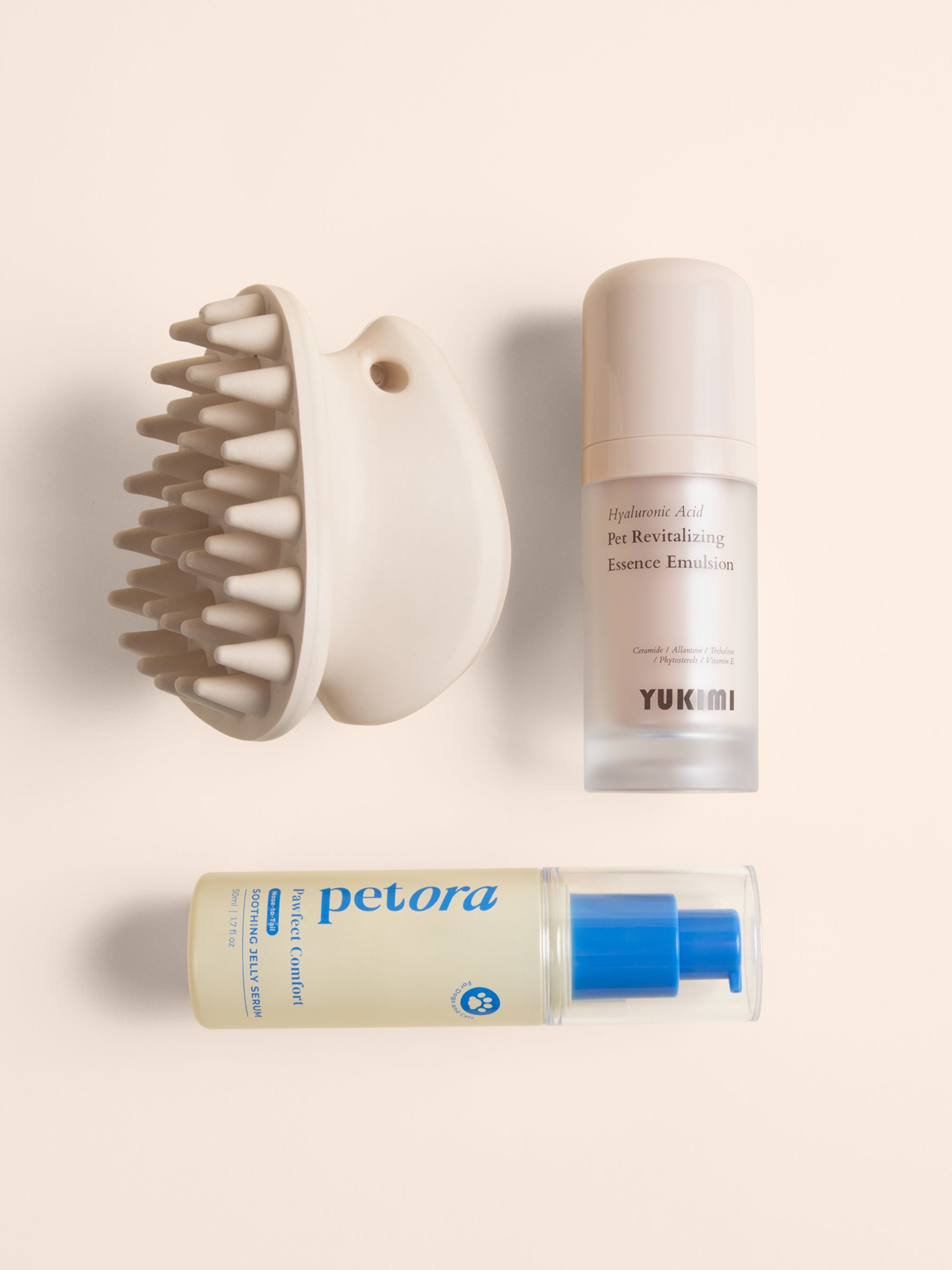
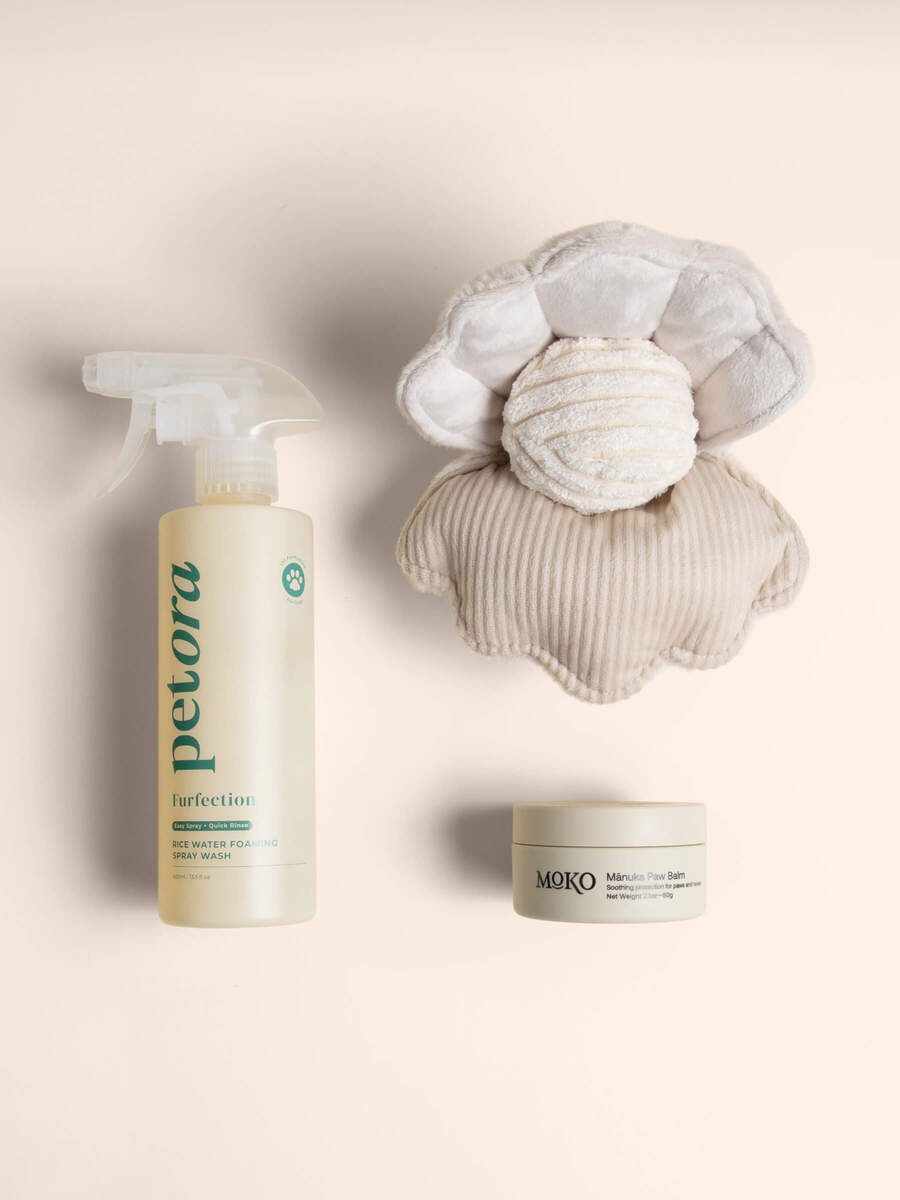
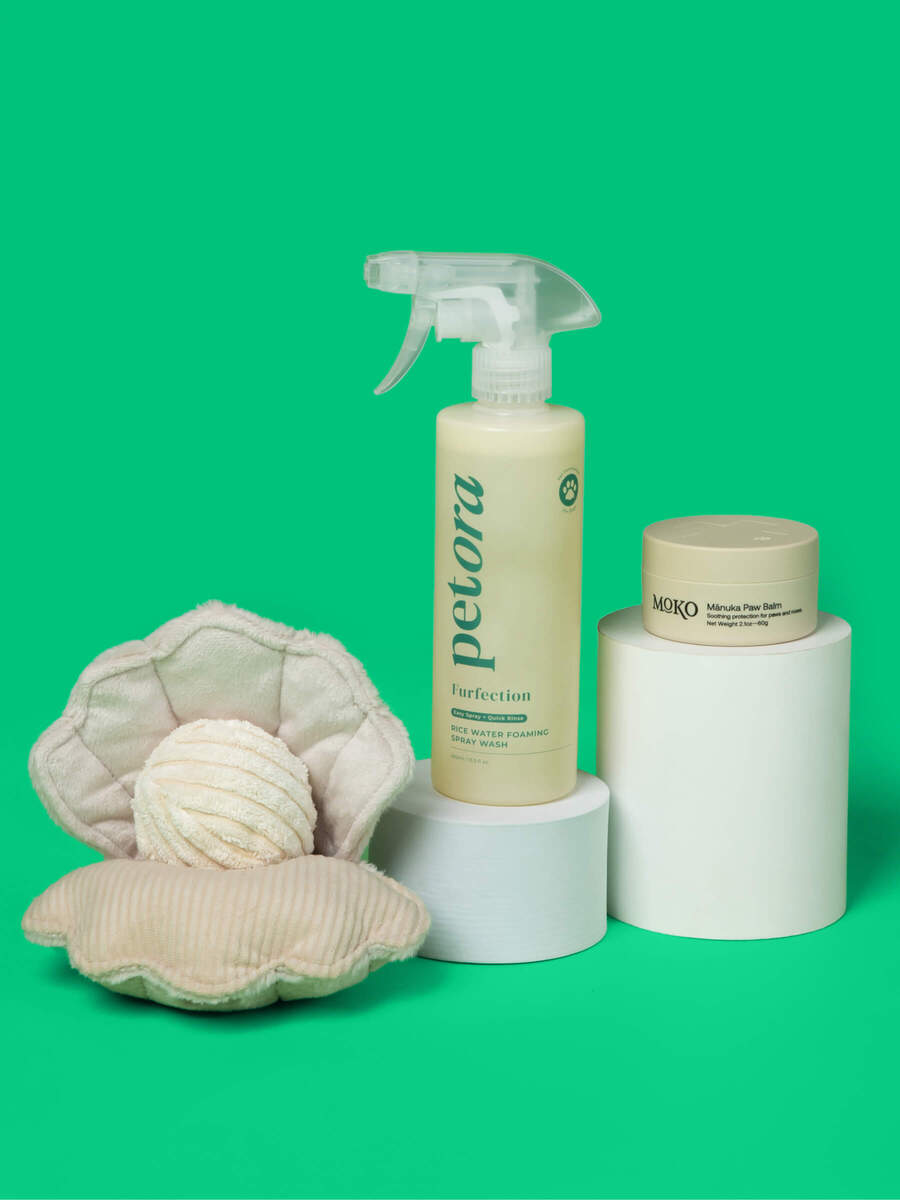
Lightly cleansing your dog without excessive scrubbing can be accomplished with a mild, hydrating, foaming wash. They tend to distribute evenly and are particularly helpful for dogs with sensitive or dry skin.
If you have a dog that gets dirty more often, you shouldn't bathe them more often, but instead consider:
- Spot cleaning between baths
- Grooming wipes for paws and underbellies
- Regular brushing to remove debris and spread natural oils
The important thing is that bathing should not deplete the skin but instead refresh it.
Step 2: Hydration and Massage (Using Pet Serums And Moisturizers)
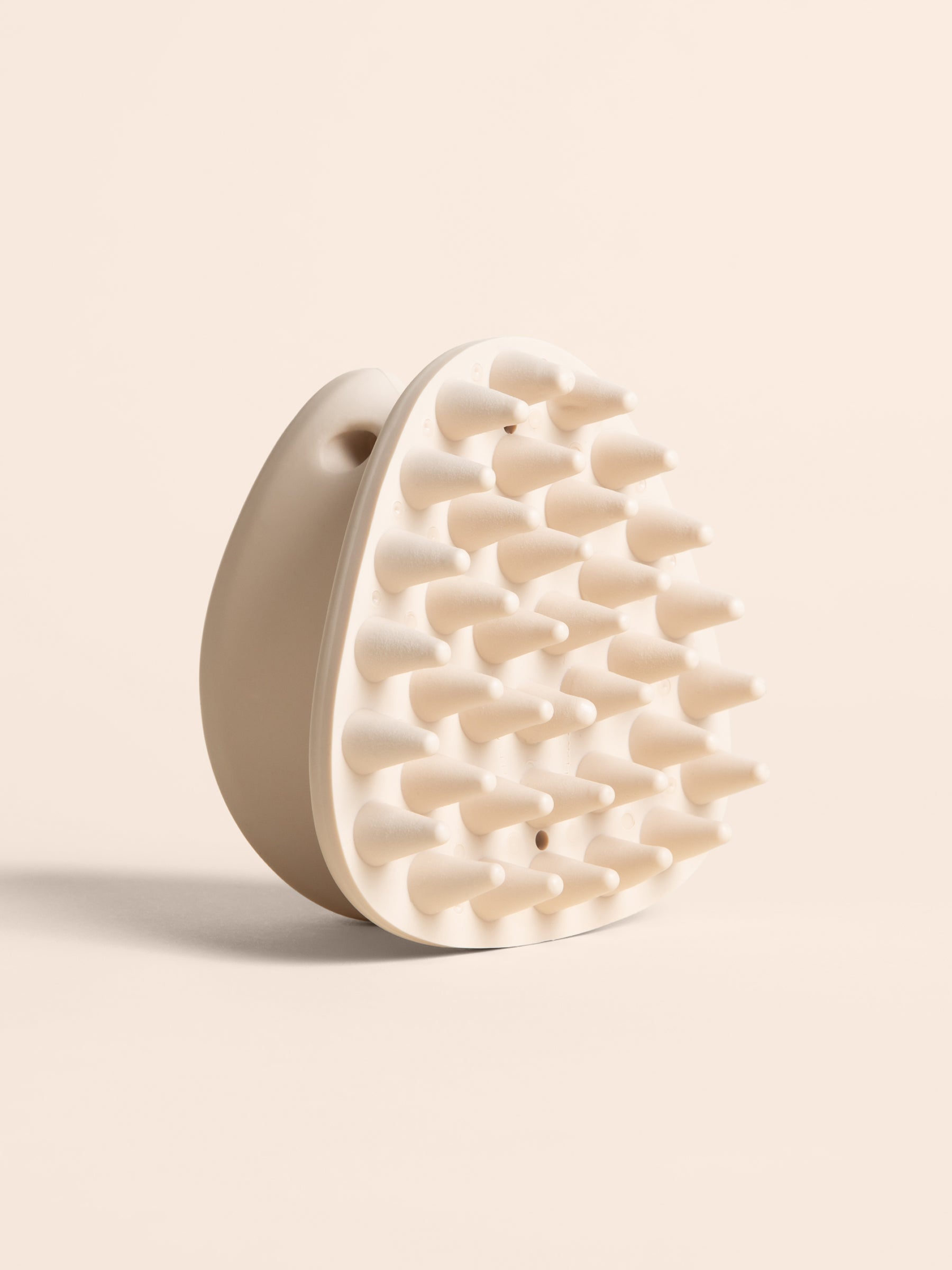
After your dog's bath, you can help lock in moisture and restore the skin barrier by applying a pet-safe serum or topical emulsion, especially if you massage it into the skin and coat. This “post-bath” step is not one most pet parents are aware of, but it can be one of the most significant parts of a skincare routine. When skin is slightly damp, it's more responsive to hydration. Massaging with a serum or emulsion helps seal in moisture and support overall skin health.
Equally important is how the product is applied. A slow, gentle massage:
- Aids in the absorption of topical products
- Increases blood flow to the skin
- Helps spread natural oils evenly
- Provides relaxation, which reduces stress
Tips to get the most out of this step:
- Focus on the most common dry areas: the elbows, flanks, and base of the tail.
- Keep your tone and environment relaxed.
- Use calm, steady strokes as you massage the back and sides of your dog.
Dogs are smart. It doesn't take them long to begin associating this step with comfort. Grooming suddenly becomes easier and, in fact, enjoyable for both of you.
Step 3: Protecting the Extremities (Paws and Noses)
Paws and noses don't have the same level of protection from natural oils as the rest of the body. Therefore, they require regular attention, as exposure to environmental stressors can lead to cracked, dry, or irritated paws. Paws and noses have to deal with:
- Hot pavement in the summer
- Ice, salt, and cold air in the winter
- Abrasive surfaces and rough terrain all year long
A dog-safe lick-safe balm can help maintain a protective barrier that supports healing and hydration.
To incorporate this step into your dog’s overall skincare routine:
Apply a balm to paws and pads two to three times per week. You can use it daily if conditions are extreme. Always check between your dog's toes for debris or irritation. If you apply a thin layer of balm to the nose, you can help prevent or treat dryness or cracking. Consistency is key. Small regular applications are more important than occasional heavy use.
This step in your skincare routine will also give you the chance to become aware of:
- Cuts or abrasions
- Foreign objects
- Signs of infection or inflammation
This can help keep your dog mobile and comfortable, and help your dog live a happy, high-quality life.
How To Make Grooming a Positive Bonding Experience
The goal is to make your dog associate grooming with safety, predictability, and pleasure. To help achieve that goal:
- Use high-value treats.
- Start slow and build tolerance.
- Keep sessions short and calm.
- Choose a quiet, comfortable environment.
- Stick to a predictable routine.
- Be aware of your dog's body language and react as needed.
These small efforts can reinforce trust. A simple skincare routine can become a shared experience that supports both your dog's physical health and your emotional connection with them.
About the Author
Dr. Shelby Neely, VMD, is a Penn graduate and licensed veterinarian with 30 years of experience in companion animal health. She has treated and written widely on pet care, nutrition, and supportive therapies for cats and dogs. Dr. Neely is passionate about helping pet parents make informed, thoughtful decisions that improve comfort and quality of life.